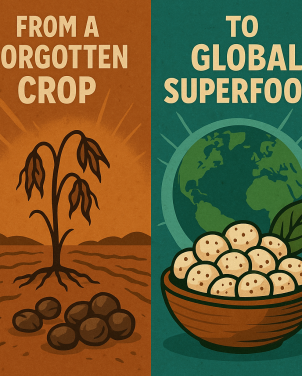
Makhana originated from the cultural heritage of the popular Mithilanchal region of Bihar, Madhubani district. Its journey starts with the immense hard work done by laborers. We can also say Madhubani is the motherland of makhana. It is cultivated using traditional methods because its plants are only grown in pond water, and mostly, its cultivation is done in winter. Historically, in the eighteenth century, under the kingship of King Darbhanga, Makhana was cultivated in Darbhanga and Madhubani districts. Makhana seeds and Makhana pops are native to Madhubani and contribute 40% to the total production of Makhana in the state of Bihar. Not only does this makhana have a GI tag from the government of India, but it is also called a black diamond. Due to its various health benefits and amazing taste, many countries want it and find it the most demanded item in the import-export industry. Interestingly, makhana found its roots in the heart of India but also found its existence in foreign cultures and is known by different names in different places. Not limited to India, Makhana or Fox nut has been mythologically associated with Greece. This wonder nut has many names in various countries. In India, it is called Phool Makhana, Western countries call it Fox Nut and Lotus seeds. Another interesting name for Makhana is Euryale Ferox. The name goes back centuries in Greek Mythology. It has derived its name from the mythical Greek Gorgon, which is a terrifying female in Greek mythology.