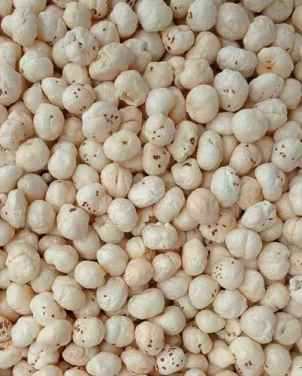
Makhana is far more than just a healthy snack – it carries deep cultural and regional significance in India, particularly in Bihar. Its roots in tradition, spirituality, and local livelihood make it an integral part of the Indian cultural landscape. It holds a deep connection with the Mithila region of Bihar, where it is not only grown or harvested but also cherished as a symbol of prosperity and purity. It featured prominently in Maithil customs, festivals, and culinary traditions. In many households, offering makhana shows warmth and respect. During auspicious occasions such as a wedding, pujas, and great festivals like Chath Puja, makhana is used as a holy offering (prasad) and traditional dishes. Because it is considered sattvic (pure and light), makhana is often consumed during fast and religious observance, especially during Navratri and Ekadashi. Its association with purity makes it a preferred ingredient in vrat food, where simplicity and sanctity are key, and in Hindu rituals, makhana is often used as an offering to their deities.