Makhana vs Popcorn: Which option is healthier?
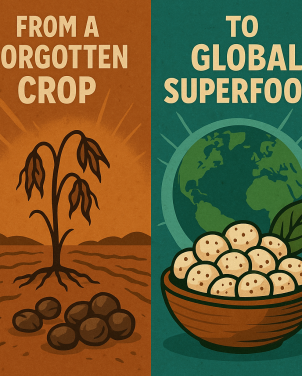
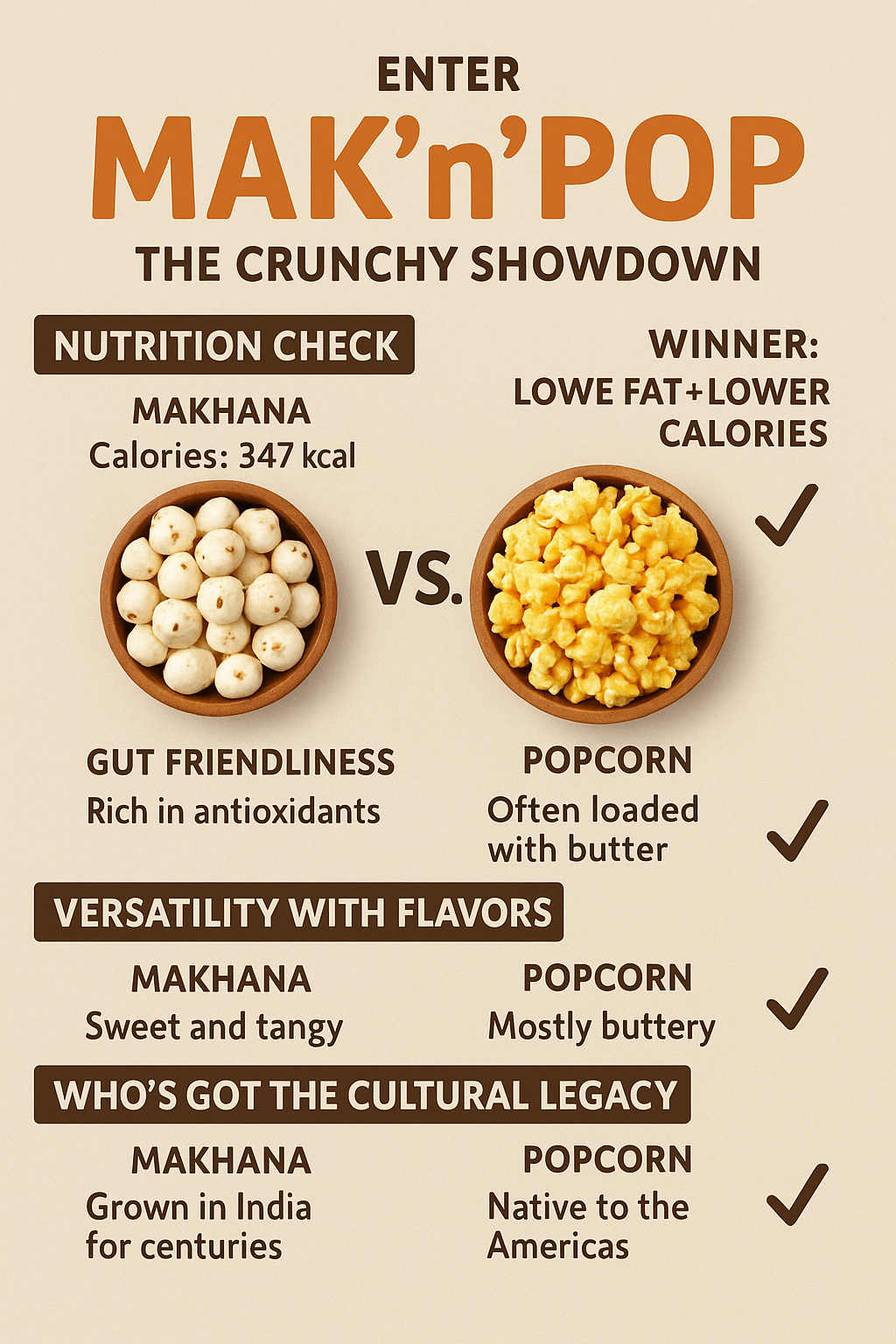
Snacking has always been a part of our daily lives. Whether it’s while watching a movie, during work breaks, or as a midnight craving, we all reach for something light and crunchy. But with people becoming more conscious about what they eat, the choice of snack is no longer just about taste it’s also about health. Both are considered light and healthy, one may just be quietly winning the race and that’s makhana.Initially makhana and popcorn seem to offer similar benefits. They’re both low in calories, easy to carry, and can be made in minutes. But dig a little deeper, and you’ll start seeing where they differ and why that matters, especially today.Let’s begin with makhana. It’s a traditional Indian superfood, harvested mostly in Bihar, where the seeds of the lotus flower are carefully collected, sun-dried, roasted, and then puffed. Similarly popcorn is made from a specific type of corn kernel that expands when heated. It’s been a staple in American households and movie theatres for decades, and over the years, it has been reinvented in many ways cheddar, caramel, butter, spicy, and so on. But the problem with popcorn lies in its toppings. The base is fine, even healthy if air-popped. But most of the time, it’s soaked in oil, butter, salt, and artificial flavours, which turns it from healthy to heavy in a matter of seconds.From a nutrition point of view, makhana quietly takes the lead. It’s low in fat almost negligible and contains a good amount of protein, magnesium, phosphorus, and fibre. It helps improve digestion, controls blood sugar, and is known to have anti-inflammatory properties due to antioxidants like kaempferol. In Ayurveda, it has long been recommended for kidney health and balancing hormones.Popcorn, especially in its plain form, does have fibre and antioxidants too. But it contains more fat per serving than makhana, even if air-popped. Once you add in the usual butter or cheese toppings, the calorie count jumps significantly. Also, popcorn can sometimes cause bloating and acidity, especially when eaten in large amounts.Looking into the pricing and availability, Popcorn has been around longer, it’s mass-produced, and hence, cheaper. You’ll find it in almost every supermarket, online store or cinema. Makhana, however, is still considered premium. A 100g pack can cost between ₹100 to ₹120 or more, depending on the brand and flavour. Despite its higher price, demand for Makhana is growing fast especially in urban areas. Health-conscious millennials and Gen Z are replacing their fried snacks with roasted makhana. It’s now seen not only in homes but also in gym bags, office drawers, and travel pouches. The rise of flavoured variants like peri-peri, Himalayan salt, and cheese has made it more appealing to young consumers who want healthy yet exciting snacks.According to recent industry data, India’s makhana market is growing rapidly. In fact, it’s expected to cross ₹500 crore in the next couple of years, growing at nearly 20% annually. That’s not just domestic demand makhana is also becoming popular in global markets like the US, Japan, and the Middle East, where consumers are open to trying natural, gluten-free snacks from around the world.Brands like NutriTribe, Too Yumm, Open Secret, and Farmley are leading the way in transforming makhana from a traditional food to a global lifestyle product. NutriTribe, for example, focuses on offering six unique flavours ranging from peri-peri to cream & onion while highlighting the clean, hand-harvested roots of the snack. This shift isn’t just about switching one snack for another it reflects a broader change in how we think about food. People want snacks that are not only tasty but also serve a purpose. They want something that supports their energy levels, doesn’t weigh them down, and aligns with their long-term health goals. Makhana fits that need beautifully.To answer the question is makhana better than popcorn? the honest reply is yes, for most people. It’s cleaner, lighter, and more nourishing. While popcorn still has its place, especially when made simply, makhana is clearly more in tune with where the world is heading: toward mindful, sustainable eating that doesn’t compromise on flavour.So the next time you’re hungry between meals or planning a movie night, try replacing your usual tub of popcorn with a bowl of roasted makhana. You might just find your new favourite snack one that’s ancient, modern, and deliciously better, all at once.