“How Makhana is Cultivated in Bihar- A Glimpse Into the Journey”
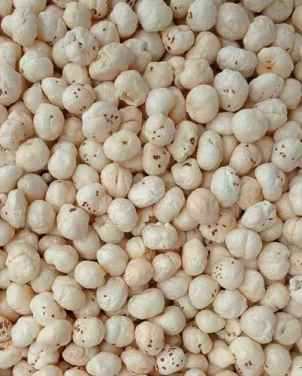
Makhana, or fox nut, is something many of us have seen in our kitchens light, crunchy, and often eaten during fasts. But behind this simple snack is the hard work of thousands of farmers in Bihar. In fact, Bihar grows more than 80% of the world’s Makhana.
Unlike regular crops, Makhana is grown in water. Farmers use natural water bodies like ponds (talabs) and low-lying wetlands (chaur or maun). The process starts in May or June, when seeds are scattered underwater. As the rains come, the plant grows below the surface, while big round leaves float on top just like lotus leaves.
Harvesting is done in the month of October and this part is no easy task. Farmers step into chest-deep muddy water and collect the Makhana fruits by hand. It’s messy, tough, and takes a lot of skill. After harvesting, the seeds are sun-dried and the process of roasting starts. Then they are popped by hand using wooden tools. Only some seeds pop well, so it takes patience.
Earlier, Makhana was mostly eaten during religious fasting. But now it’s being loved as a healthy snack around the world. It’s low in fat, high in protein, gluten-free, and full of antioxidants. It helps with digestion and is great for people who want a light but nutritious snack every day.
In the year 2022, Mithila Makhana got the GI (Geographical Indication) tag, it is officially recognized as a unique product from Bihar. This has helped farmers get better prices and more demand in the market.Many startups and local brands like NutriTribe are now packaging Makhana in modern ways. Flavours like peri-peri, masala, cheese, and cream & onion are especially popular among young people. These brands are not only creating snacks but also supporting farmers and building rural employment.
The government of Bihar is also helping with training, storage, and marketing.Gradually, Makhana farming is getting modern tools, better drying methods, and access to big markets.So, what was once considered a traditional food is now becoming a global superfood. And at the heart of this journey is Bihar’s soil, water, and the hardworking hands of its farmers.