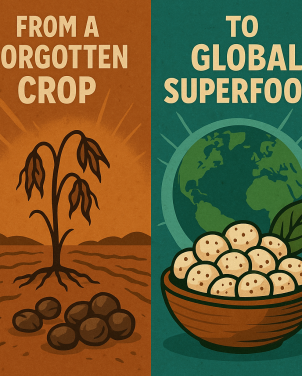
The Mallah community produces makhana, also known as the pearl of the pond,
and they belong from Bihar, primarily in the riverine belts of north Bihar. They
are a fishing and boatmen community that has a long-standing tradition of
cultivating and harvesting makhana. They are skilled in the specialized processes
of makhana farming, including growing, collecting, and puffing. They fall under
the extremely backward classes (EBC) category in Bihar and are among the
marginalized communities striving for socio-economic upliftment, and the
makhana industry provides a crucial source of livelihood to that community. The
formation of the makhana board by the government of India is seen as a step
towards improving its economic aspects.
Makhana farming is a labor-intensive process, and mallahs are crucial during the
harvesting and processing phases. They dive into deep water to collect makhana
seeds, a physically demanding task requiring skill and stamina. This makes
makhana a manually intensive crop. Makhana cultivation provides seasonal
employment and economic sustenance for Mallah families. With growing
demand (especially due to its health benefits), there’s potential for inclusive
rural development if Mallahs are given better access to:
- Modern tools
- Government subsidies
- Skill training
- Market linkages
Yet, for decades, these communities have remained invisible in the larger
narrative of India’s food industry.